Buying a home is a major milestone, but navigating mortgage requirements can be especially challenging…
VA Home Loan Guide: What Veterans in the Twin Cities Should Know
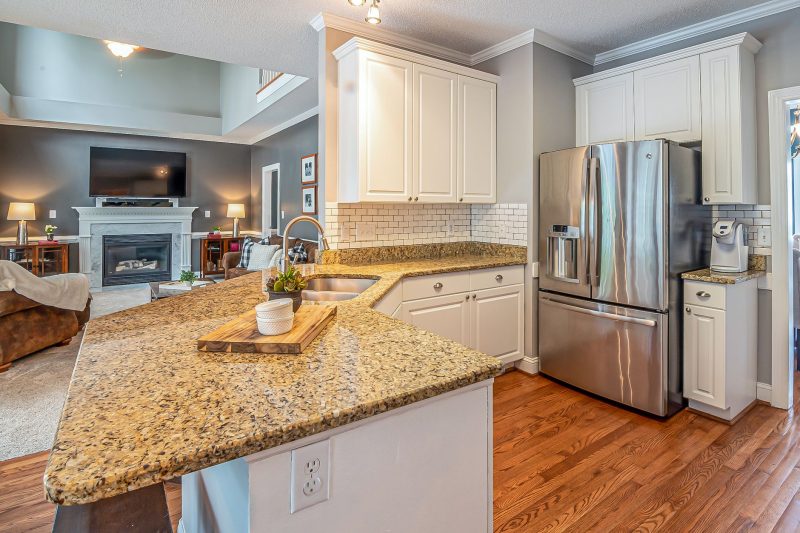
Buying a home as a veteran or active-duty service member can be both exciting and stressful—especially if you’re unsure where to start with your mortgage options. A VA home loan is a government-backed mortgage program that enables eligible veterans, service members, and some surviving spouses to buy or refinance a home with no down payment and flexible requirements. In this guide, we’ll cover how VA loans work, who qualifies, benefits and steps to buying a home in Minneapolis, Saint Paul, and the Twin Cities metro.
Key Takeaways
- Purpose: VA loans help eligible veterans and military personnel purchase or refinance homes with favorable terms.
- Eligibility: Qualifying military service, a valid Certificate of Eligibility, and meeting lender standards are required.
- Down Payment: No down payment is required for most VA purchases.
- Best For: Veterans, active-duty service members, and qualifying surviving spouses looking for lower upfront costs and flexible requirements.
- Locations: Available for properties in the Twin Cities and throughout Minnesota and Wisconsin.
Quick Answers: VA Home Loans for Veterans
- Can you buy with $0 down using a VA loan? Yes, VA loans typically allow for 100% financing with no down payment required for eligible borrowers.
- Do VA loans require mortgage insurance? No, VA loans do not require monthly mortgage insurance, but there is a one-time VA funding fee (which can be financed).
- What types of homes can you buy? VA loans cover most single family homes, condos, some townhomes, and even new construction if VA-eligible; investment properties are not allowed.
- Are VA loan rates competitive? VA loans often offer interest rates that are competitive with or better than many other low down payment programs, but rates vary by lender.
What Is a VA Home Loan?
A VA home loan is a mortgage program backed by the U.S. Department of Veterans Affairs that enables eligible homebuyers to purchase or refinance a primary residence with no down payment and favorable terms. Unlike conventional mortgages, VA loans are designed specifically for those with qualifying military service and offer unique benefits that can make homeownership more accessible.
The team at American Dream Home Team (NMLS# 175656) specializes in guiding veterans and military homebuyers with VA loans throughout Minneapolis, Saint Paul, and surrounding communities such as Eagan, Woodbury, and Stillwater. Our goal is to help you make sense of your VA benefits and confidently navigate the process from pre-approval to closing.
Who Is Eligible for a VA Loan?
To qualify for a VA home loan, you generally need to meet at least one of these criteria:
- You are a veteran with sufficient service as set by VA guidelines (typically 90+ days active duty in wartime, 181+ days in peacetime, or 6+ years in the National Guard or Reserves).
- You are an active-duty service member with the required service time.
- You are an eligible surviving spouse of a service member who died in the line of duty or from a service-linked cause.
VA loan eligibility also requires a valid Certificate of Eligibility (COE), satisfactory credit, sufficient income, and that the home will be your primary residence.
VA Loan Benefits
- No Down Payment Required: Qualified borrowers can buy with zero down, which is a huge benefit compared to standard loan programs.
- No Monthly PMI: VA loans do not require private mortgage insurance (PMI).
- Flexible Credit & Income Standards: Guidelines are generally more accommodating than with many conventional loans.
- Competitive Rates: VA loans often feature rates that are very competitive with other low down payment options.
- Limited Closing Costs: VA rules cap the types and amounts of certain closing costs buyers may pay.
- Assumable Loan: VA loans are assumable by qualified buyers, which could be valuable if you sell your home when market rates are higher.
How VA Loans Work in the Twin Cities
VA loans are available for eligible homes across the Twin Cities market—including Minneapolis, Saint Paul, as well as nearby areas such as Lakeville, Blaine, and Chisago City. Whether you’re buying a single family home, condo, or even a property in Dakota, Ramsey, or Hennepin County, the VA loan can provide flexible options.
You’ll need to intend to occupy the home as your primary residence. VA loans do not cover investment properties or vacation homes, but they can finance some multifamily properties (up to 4 units) if you live in one unit.
Common VA Loan Property Types
- Single family homes
- Townhomes and condos (must be VA-approved)
- Some new construction, manufactured homes (check for restrictions and approval)
- Multifamily (2–4 units if owner-occupied)
VA Loan Requirements & Key Steps
While the VA backs your loan, you’ll still apply through an approved lender who handles the underwriting process. Minnesota, Wisconsin, and Florida homebuyers all follow these general steps:
- Verify eligibility (service, COE, etc.).
- Get pre-approved to understand your buying power and options.
- Find a VA-approved home in your desired location.
- Order a VA appraisal—the property must meet VA’s minimum property standards.
- Work through underwriting (credit, income, and residual income checks).
- Close on your home and move in!
In the Twin Cities, the process from pre-approval to closing commonly takes between 30–45 days, though timing can vary based on your scenario and market conditions.
For more details on how the VA loan process compares to other low down payment programs in Minnesota, see our guide to FHA home loans.
About the VA Funding Fee
The VA charges a one-time “funding fee” that helps keep the loan program running and reduces costs for taxpayers. The fee’s amount varies based on your down payment, service history, and whether you’ve used your VA benefit before. Many buyers can roll this fee into their loan. Some veterans with service-connected disabilities are exempt—which your lender will help confirm.
Comparing VA, FHA, and Conventional Loans
It’s helpful to understand how VA loans stack up to conventional and FHA programs, especially for buyers in competitive Twin Cities neighborhoods.
| Loan Type | Down Payment | Mortgage Insurance | Credit Guidelines | Major Restrictions |
|---|---|---|---|---|
| VA Loan | 0% (most scenarios) | No monthly PMI; one-time VA funding fee | Flexible (varies by lender) | Must be eligible veteran/service member; primary residence only |
| FHA Loan | 3.5% minimum | Monthly MIP required | Flexible, but strict on credit issues | Primary residences only |
| Conventional Loan | 3% minimum (first-time buyers) | PMI on loans <20% down | Stricter than VA/FHA | Primary, secondary, or investment properties allowed |
Want to see which loan fits your scenario, including VA, FHA, and others? Explore our full mortgage loan options or get in touch for a custom comparison.
Pre-Approval and Planning Your Twin Cities Home Purchase
Getting pre-approved for a VA loan is a smart first step—especially in the competitive markets of Minneapolis, Saint Paul, and surrounding suburbs. Your pre-approval shows sellers you’re a serious buyer and gives you a realistic sense of your price range, including what monthly payments and closing costs you can expect.
In our experience working with homebuyers from areas like Woodbury, Edina, Shakopee, and Blaine, being proactive with pre-approval can make your offer stand out. Our Twin Cities team helps you gather the right documents and makes the process as smooth and transparent as possible.
Navigating Occupancy, Appraisals, and Local Nuances
VA loans require that you occupy the home as your main residence within a reasonable time after closing (typically 60 days). The property must also meet both lender and VA appraisal requirements for condition and safety, which may be more detailed than with some conventional loans.
In the Twin Cities, housing styles, age, and condition can vary quite a bit across neighborhoods—from historic homes in Saint Paul to newer builds in Lakeville or Maple Grove. We work closely with appraisers and local inspectors to help you know what to expect as you shop for the right VA-eligible home.
Ready to Start? Get Expert Guidance on Your VA Loan
If you’re a veteran, active-duty service member, or eligible surviving spouse considering a move in the Twin Cities or surrounding Minnesota and Wisconsin communities, we’d love to help you explore your VA loan options. Call, text, or email us at American Dream Home Team to review your eligibility, compare your local mortgage options, and outline your next steps toward a successful pre-approval and home purchase.
Don’t leave your VA benefits on the table—let’s work together to unlock your path to homeownership!
Frequently Asked Questions
Who qualifies for a VA loan in Minnesota?
You generally qualify for a VA loan if you’re a veteran, current active-duty military member, or an eligible surviving spouse who meets the VA’s service requirements. You’ll also need a valid Certificate of Eligibility and meet your lender’s credit and income guidelines.
How long does it take to close on a VA loan?
Most VA home loans in the Twin Cities close within 30 to 45 days after signing a purchase agreement, although timelines can vary depending on your specific scenario and market conditions.
How much does the VA funding fee cost?
The VA funding fee varies based on your military category, down payment (if any), and whether you’ve used the benefit before. Most buyers can roll the funding fee into their loan, and some veterans with service-connected disabilities may be exempt.
Can I use a VA loan to buy a duplex or multifamily property?
Yes, you can use a VA loan to buy a property with up to four units as long as you live in one of the units as your primary residence. The property must also meet VA standards and appraisal requirements.
What documents do I need for VA loan pre-approval?
Typical documents include your Certificate of Eligibility (COE), recent paystubs or proof of income, W-2s or tax returns, bank statements, and ID. Additional paperwork may be needed based on your individual situation or lender requirements.
This is educational and not financial advice. Loan programs and guidelines can change. Talk with a licensed mortgage professional about your specific scenario.

About the Author
Karli Spahr
Chief of Dream Fulfillment at American Dream Home Team · NMLS #253291
I’ve been doing mortgages for over 25 years and am passionate about helping others obtain The American Dream of homeownership. I have a Bachelor’s degree in Business and Economics and a Master’s Degree in Project Management.
Specializes in: FHA, VA, first-time buyer programs
Licensed in: FL, MN, WI
Related Posts