Buying your first home can feel daunting, especially given the unique market landscape across Minneapolis,…
Unlocking Down Payment Assistance for Twin Cities First-Time Buyers: What You Need to Know
Buying your first home in the Twin Cities can feel like climbing a steep hill—especially if saving for a down payment seems out of reach. Down payment assistance programs are financial tools that help eligible buyers with upfront costs, making homeownership more accessible. In this guide, we’ll break down how these programs work, who qualifies, and the steps you can take to get started in Minneapolis, Saint Paul, and beyond.
Key Takeaways
- Purpose: Provides funds to help cover part or all of the down payment and sometimes closing costs for qualifying homebuyers.
- Eligibility: Often aimed at first-time buyers who meet income, credit, and property guidelines (requirements vary by program and county).
- Types: Offers may include grants (don’t repay), forgivable loans, and low- or no-interest deferred loans.
- Timeline: Application and approval typically occur alongside your mortgage process, so planning ahead is essential.
- Best For: Buyers in the Twin Cities and Minnesota/Wisconsin area seeking help with upfront costs or looking to maximize their purchasing power.
Quick Answers
- Can down payment assistance be used with FHA, VA, or conventional loans? Yes, many programs are compatible with popular loan types, including FHA home loans and VA loans. Guidelines vary, so check with your lender.
- Do you have to pay back down payment assistance? Some programs are grants (no repayment), but many are zero- or low-interest loans, often forgiven after a period if you stay in the home.
- What counts as a first-time homebuyer? Most programs define this as someone who hasn’t owned a home in the last three years, but definitions and exceptions exist.
- Can you use multiple assistance programs? Sometimes, yes—certain city, county, and state programs can be combined, but this depends on the guidelines and your lender’s policies.
What Is Down Payment Assistance?
Down payment assistance (DPA) programs offer financial help to cover the upfront costs of buying a home, reducing the immediate cash needed to close. For many first-time buyers in the greater Twin Cities—whether you’re looking in Dakota County, Hennepin County, Ramsey County, or nearby Wisconsin—DPA can be the key to moving from renting to owning.
The team at American Dream Home Team (NMLS# 175656) specializes in guiding buyers through the available options, program eligibility, and what works best with your desired loan type. Unlike a standard loan, DPA is designed exclusively for purchase money and has special requirements and limits. We’ll help you decode terms, find local programs, and build your path to homeownership.
Common Types of Down Payment Assistance Programs
Not all down payment help looks the same—here are the main types you’ll encounter:
- Grants: Free funds that never need to be repaid if guidelines are followed.
- Forgivable Loans: Loans that are erased after you own/live in the home for a set number of years—great for buyers planning to put down roots.
- Deferred Payment Loans: Zero- or low-interest loans, paid back only when you sell, refinance, or finish your primary mortgage.
- Matched Savings Programs: Some organizations match every dollar you save toward your down payment, up to a certain amount.
Each program comes with its own rules about income, home price limits, qualifying credit scores, and more. Some are city-specific (like in Eagan, Maple Grove, or St. Paul), while others are available state-wide in Minnesota or Wisconsin.
How Do Down Payment Assistance Programs Work?
Down payment assistance is typically layered onto your primary mortgage loan. You apply with your main lender, and they work in tandem with the DPA agency. Here’s what the process often looks like in the Twin Cities:
- Pre-Approval Planning: Talk early with a lender who knows the local options. Many DPA programs require you to use approved lenders.
- Apply for Programs: Based on where you’re buying (Bloomington, Stillwater, Blaine, etc.), your lender helps you identify and apply for qualifying programs—including state, county, and city options.
- Homebuyer Education: Most programs require a homebuyer education course—often available online or in-person—to ensure you’re prepared for homeownership.
- Program Approval: The agency providing assistance will review your finances and intended property, then issue an approval for your funds (separate from main mortgage underwriting).
- Funds Delivered at Closing: The DPA is disbursed alongside the primary mortgage, lowering your out-of-pocket expenses at closing.
Keep in mind: program funds are often limited and sometimes run out for the year, so it pays to start your planning conversation early.
Eligibility: Who Qualifies for Down Payment Assistance in the Twin Cities?
While every program is different, most share some common qualifying features:
- First-Time Buyer Status: Usually, this means you haven’t owned a home in the past three years, but some exceptions exist for certain life events or property types.
- Income Limits: Most programs have maximum household income limits, which vary by county and household size—check the most current guidelines for the area you’re buying in, whether it’s Edina, St. Michael, or Chisago County.
- Property Type: Eligible properties typically include single family homes, condos, townhomes, and sometimes duplexes or manufactured homes. New construction may also qualify in some programs.
- Purchase Price Limits: There are often caps based on the location and type of property (these can change year to year and by market area).
- Minimum Credit Score: Requirements vary, but most programs have a baseline score needed, and some offer flexibility with additional requirements (like higher reserves or a smaller assistance amount).
For buyers in local hotspots like Lakeville or Golden Valley—or those venturing into Wisconsin towns—always check for city, county, and state DPA programs that may overlap or differ in requirements.
Popular Down Payment Assistance Programs in Minnesota and Wisconsin
There’s no one-size-fits-all solution, but some programs come up most often in the Twin Cities mortgage process:
- MN Housing Start Up Program: Offers both interest-free deferred loans and forgivable loans to eligible buyers statewide—including Dakota, Ramsey, and Hennepin Counties.
- City/County Programs: Cities such as Saint Paul, Minneapolis, and Cottage Grove, plus counties like Washington and Anoka, may offer their own grants or no-interest loans.
- Wisconsin Housing & Economic Development Authority (WHEDA): Offers DPA for qualifying purchases just over the Minnesota border.
- Neighborhood LIFT and Other National Grants: Occasionally, bank or nonprofit initiatives provide larger limited-time grants in specific neighborhoods throughout the metro.
Most programs are built to work with FHA loans, conventional loans, and sometimes VA and USDA loans. Be sure to discuss your loan program choice in tandem with the assistance you’re hoping to use.
Pros and Cons of Down Payment Assistance
| Pros | Cons |
|---|---|
| Reduces or eliminates the need to save a large down payment | Extra paperwork and timelines |
| Frequent compatibility with FHA, conventional, and VA loans | Income, purchase price, and property restrictions |
| May help with closing costs as well | Assistance sometimes must be repaid if you sell or refinance early |
| May reduce monthly private mortgage insurance costs | Some programs run out of funding or have limited availability |
Step-by-Step: How to Apply for Down Payment Assistance
Most buyers find the process straight-forward—especially when you work with local experts who know Twin Cities programs inside and out. Here’s a simplified workflow:
- Choose a Lender Experienced with DPA: Not all lenders participate in local programs or have access to the full menu of options.
- Get Pre-Approved: Your lender will collect your income, assets, and credit information to see if you qualify for both the main mortgage (like FHA, VA, or conventional) and the DPA program.
- Complete Education: Attend any required homebuyer education classes (often available free or at low cost, and sometimes online).
- Apply for Assistance: Fill out the specific forms and submit documents for your chosen programs—your lender often handles the paperwork for you.
- Secure an Accepted Offer: Find your property and submit an offer as you would in a regular transaction, then your lender applies the DPA money to your purchase at closing.
Timing matters: Apply early and provide requested documents promptly—DPA programs often need extra time for approval, and some funds are first-come, first-served.
Tips for Twin Cities Buyers Seeking Down Payment Assistance
- Start with pre-approval planning: Knowing your eligibility up front helps you shop confidently and quickly for homes in competitive areas like Maple Grove, Prior Lake, or Minnetonka.
- Be flexible in your home search: You may need to adjust your price point or location to fit program limits—your lender can help pinpoint the best local fit.
- Explore combined programs: It’s sometimes possible to layer city, county, and state assistance for extra support—ask your lender if your scenario allows this.
- Understand the fine print: Some programs require you to live in the home for a set number of years or pay back part/all of the assistance if you move too soon. Review terms before finalizing.
- Check program updates regularly: Guidelines, funding, and eligibility can change—your lender should always check the latest criteria based on where you want to buy.
Down Payment Assistance vs. Low Down Payment Loans: What’s the Difference?
Low down payment loans and down payment assistance aren’t the same thing—but you can often use them together. Popular mortgage options like FHA (3.5% down) and some conventional loans (as low as 3% down) already require less cash upfront. Down payment assistance covers some or all of that minimum, bridging the gap between what you have saved and what’s required to close.
In other words, you may qualify for both a low down payment purchase loan and a DPA program, potentially making homeownership possible with less money than you think.
Ready to Explore Your Down Payment Assistance Options?
With so many unique programs offered in and around the Twin Cities—including Minneapolis, Woodbury, Lakeville, St. Paul, and nearby Wisconsin—navigating your choices can feel complex. With over 25 years of experience, we understand local guidelines and help simplify your path from pre-approval to closing day.
Call, text, or email us at American Dream Home Team to review your scenario, compare options, and understand the next steps. We’re happy to answer your questions, explain current down payment assistance guidelines, and create a plan for pre-approval that’s tailored to your goals.
Frequently Asked Questions
Can I combine down payment assistance with FHA, VA, or conventional loans?
Yes, many down payment assistance programs are designed to be used alongside FHA, VA, and conventional loans, but eligibility and guidelines vary by program and lender.
Do I have to repay all types of down payment assistance?
Not always—some programs are grants and don’t require repayment, while others are forgivable or deferred loans that may only be repaid if you move, sell, or refinance within a certain timeframe.
What is a homebuyer education course, and is it required?
A homebuyer education course is a learning program (often online or in-person) required by most down payment assistance programs to help buyers understand the mortgage process and responsibilities of homeownership.
Can I access down payment assistance for homes outside the Twin Cities?
Yes, there are assistance programs in both Minnesota and Wisconsin, including options for buyers in surrounding counties and select rural or suburban areas.
How long does it take to get down payment assistance approved?
Approval timelines can vary, but the process often moves alongside your main mortgage. Starting early allows for extra paperwork and program-specific reviews without delaying your home purchase.
This is educational and not financial advice. Loan programs and guidelines can change. Talk with a licensed mortgage professional about your specific scenario.
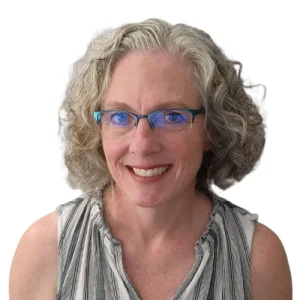
About the Author
Karli Spahr
Chief of Dream Fulfillment at American Dream Home Team · NMLS #253291
I’ve been doing mortgages for over 25 years and am passionate about helping others obtain The American Dream of homeownership. I have a Bachelor’s degree in Business and Economics and a Master’s Degree in Project Management.
Specializes in: FHA, VA, first-time buyer programs
Licensed in: FL, MN, WI
Related Posts