Buying your first home in Minneapolis or St. Paul is exciting, but the process—and all…
First-Time Homebuyer Programs: How to Qualify in Minnesota
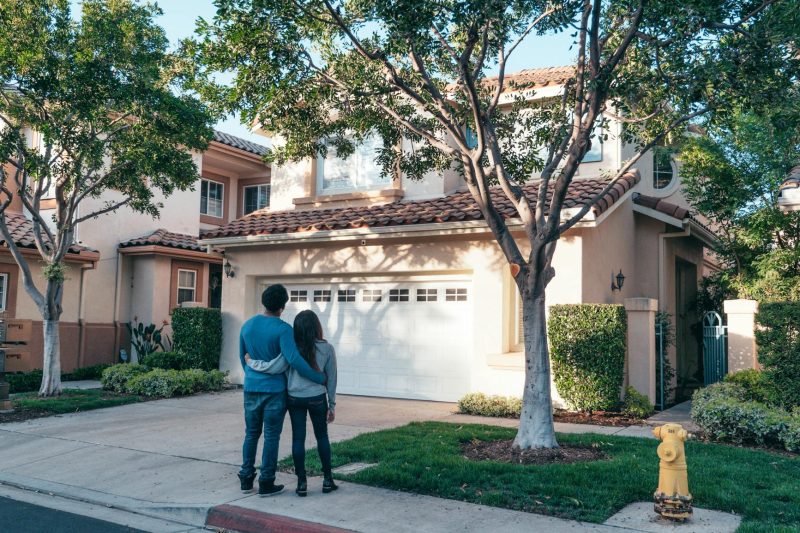
Buying your first home in Minnesota is exciting, but understanding how to qualify for first-time homebuyer programs can feel overwhelming. First-time homebuyer programs are designed to help new buyers access affordable financing, down payment assistance, and flexible qualifying criteria for their first home purchase. In this article, you’ll learn the types of programs available, the main requirements, and the steps to get started in the Twin Cities and surrounding areas.
Key Takeaways
- Purpose: These programs make homeownership more accessible by easing down payment and credit hurdles.
- Eligibility: You must typically be a true first-time buyer or not have owned a home in the past 3 years.
- Requirements: Meet income, credit, and property type criteria (requirements vary by program and location).
- Timeline: Application and approval may take several weeks; planning ahead is key.
- Best For: First-time buyers in Minnesota, including veterans and those with limited savings.
Quick Answers: Common Questions About First-Time Buyer Programs
- Who qualifies as a first-time homebuyer? Generally, someone who has not owned a principal residence in the past three years.
- Are there income limits? Most programs have maximum household income guidelines that vary by county and household size.
- Do I need perfect credit? No, many Minnesota programs work with buyers who have fair or even below-average credit (typically as low as 620 FICO for FHA loans, but varies).
- Can I get help with my down payment? Yes! Many local and statewide programs offer down payment and closing cost assistance as a loan or grant.
- Where can I use these programs? Options are available for homes in Minneapolis, Saint Paul, Twin Cities suburbs, and rural communities in Minnesota and even parts of Wisconsin.
What Is a First-Time Homebuyer Program?
A first-time homebuyer program is a government-backed or nonprofit initiative that helps people purchase their first home, generally offering benefits like lower down payments, flexible credit standards, and financial assistance. These can include FHA loans, VA loans for eligible veterans, state and city grants, forgivable loans, and reduced mortgage insurance options. The goal is to make it easier for buyers to enter the housing market—especially those who need a boost with savings or qualifying.
How Do First-Time Homebuyer Programs Work in Minnesota?
Most Minnesota first-time buyer programs are offered in partnership with conventional, FHA, or VA loan options and are available across the state—including within the Twin Cities metro area and counties like Dakota, Hennepin, Ramsey, and Washington. At American Dream Home Team (NMLS# 175656), we help clients navigate these offerings to match them with down payment assistance or special loan programs that fit their needs.
There are three main types of programs available:
- Down payment assistance: Often offered as a second loan or a grant, this provides funds to cover a portion of your down payment and sometimes closing costs.
- Reduced or forgivable loans: Some programs offer low- or no-interest second mortgages that may be forgiven if you stay in the home a certain number of years.
- Affordable first mortgages: State-sponsored programs may offer fixed-rate loans with below-market interest rates and reduced mortgage insurance.
Who Is Considered a First-Time Homebuyer?
You’re usually considered a first-time buyer if you have not owned a principal residence in the past three years. Some programs also allow previous homeowners to qualify if they have been renting for three years or more, or if they meet special circumstances (such as divorce or displacement). It’s important to check each program’s definition, as rules can vary by city, county, and loan type.
Basic Requirements to Qualify
Each program has unique eligibility criteria, but some common requirements include:
- Income Limits: Most programs set a maximum total household income based on location and household size. This is to target assistance to moderate and lower-income buyers.
- Credit Score: A minimum FICO score is required, often 620 or higher for many programs, though some allow lower scores for special circumstances or with additional counseling.
- Homebuyer Education: Many Minnesota programs require a homebuyer education class (online or in-person) before closing.
- Eligible Property Types: Single-family homes, condos, townhomes, manufactured homes, and sometimes duplexes can be eligible if they’ll be your primary residence.
- Purchase Price Limits: Homes must fall within a set value or price cap, which adjusts periodically based on local market conditions.
Always verify the latest program rules, as guidelines change and exceptions may apply.
Step-by-Step: Qualifying for a First-Time Homebuyer Program
- Check your eligibility. Find out if you meet the “first-time buyer” definition and income/credit requirements for Minnesota programs (ask your lender or visit Minnesota Housing’s website).
- Get pre-approved. A pre-approval from a qualified lender like us shows sellers you’re serious and confirms your price range.
- Complete homebuyer education. Take your required course and keep your completion certificate handy.
- Research assistance options. Explore all programs for down payment help, closing cost grants, and lower-rate loans—in Saint Paul, Minneapolis, and surrounding cities.
- Work with an experienced lender. Not all lenders participate in every program, so choose one familiar with FHA, VA, Minnesota Housing, and local city/county aid.
- Submit your application. With your documents ready (paystubs, tax returns, bank statements), your loan advisor will package everything for processing.
- Complete the process. After an accepted offer, you’ll go through underwriting and final approval—generally 30 to 45 days from application to closing.
Minnesota’s Most Popular First-Time Homebuyer Programs
Some of the top programs used by buyers in the Twin Cities Metro and beyond include:
- Minnesota Housing Start Up – Offers affordable loans and down payment/closing cost loans for eligible first-time buyers.
- City/County DPA Programs – Minneapolis, Saint Paul, Dakota County, and Ramsey County all have their own assistance options—some with grants, some with deferred or forgivable loans.
- FHA Loans – Allow down payments as low as 3.5%, flexible qualifying, and can be paired with down payment help.
- VA Loans – For eligible veterans and service members; offer zero down payment and no private mortgage insurance.
- USDA Loans – Available for certain rural and outer suburban communities, with zero down and income restrictions.
Your eligibility and best fit depends on your personal finances and the area you want to buy. Consult a knowledgeable Twin Cities lender for details.
Comparison: Common First-Time Buyer Loan Types
| Loan Type | Down Payment | Credit Requirement | Assistance Eligible? | Best For |
|---|---|---|---|---|
| FHA | 3.5% minimum | Typically 580-620+ | Yes | First-time buyers, low savings |
| VA | 0% (eligible vets) | Varies by lender | Yes | Veterans & active duty |
| Conventional | 3% minimum | Typically 620+ | Yes | Strong credit, higher price range |
| USDA | 0% (eligible areas) | Typically 640+ | Yes | Rural/suburban buyers |
Check with your loan advisor to see which program(s) you may qualify for based on your goals and location in Minnesota.
Tips for Strengthening Your Application
- Organize documents early. Lenders typically request 2 years of tax returns/W-2s, recent pay stubs, and bank statements.
- Review your credit. Check your credit report for errors and pay down debts to improve qualifying power.
- Take your education course ASAP. Completion is a prerequisite for most programs in Minneapolis, Saint Paul, and across Minnesota.
- Partner with a knowledgeable loan advisor. A lender experienced with local programs can maximize your options for first-time buyers and explain which requirements matter most for your situation.
Get Started: Next Steps for Minnesota First-Time Buyers
Ready to see if you qualify for a first-time homebuyer program in the Twin Cities, suburbs, or across Minnesota and western Wisconsin? We recommend a brief, friendly review of your scenario—no obligation, just answers to your questions. Call, text, or email us at American Dream Home Team to compare your options, understand today’s program guidelines, and create a pre-approval plan tailored to you.
Frequently Asked Questions
Do all first-time buyer programs require me to be a true first-time homeowner?
Most programs define "first-time buyer" as someone who hasn't owned a principal residence in the past three years, but exceptions exist. Some allow recent divorcees or persons displaced by certain life events to qualify even if they've owned previously. Always check the specific program’s guidelines.
What credit score do I need for Minnesota first-time buyer programs?
Many programs work with buyers at a minimum score of around 620, particularly with FHA loans, but requirements can vary by loan product and assistance program. Better credit often unlocks better rates and options, so check with your lender on current guidelines.
Can I qualify for more than one assistance program at the same time?
In some cases, you can stack different types of assistance—such as a state down payment loan with a city grant—if the programs are compatible and allow layering. Not all programs can be combined, so take guidance from a lender familiar with local rules.
Do I have to repay down payment assistance?
It depends on the program—some assistance is structured as a forgivable loan if you remain in the home for a set number of years, while some is repaid when you sell or refinance. Other options offer outright grants you don’t pay back. Review the details of any assistance before proceeding.
Is there a penalty if I move or refinance early?
For programs with forgivable loans or deferred repayment, you may be required to pay back the assistance if you sell, move, or refinance within the specified period. Each program outlines its own terms, so ask your lender how this would affect you.
This is educational and not financial advice. Loan programs and guidelines can change. Talk with a licensed mortgage professional about your specific scenario.

About the Author
Karli Spahr
Chief of Dream Fulfillment at American Dream Home Team · NMLS #253291
I’ve been doing mortgages for over 25 years and am passionate about helping others obtain The American Dream of homeownership. I have a Bachelor’s degree in Business and Economics and a Master’s Degree in Project Management.
Specializes in: FHA, VA, first-time buyer programs
Licensed in: FL, MN, WI
Related Posts