Trying to buy your first home in the Twin Cities can be exciting—and honestly, a…
FHA Loans: Your Guide to First-Time Home Buying in the Twin Cities
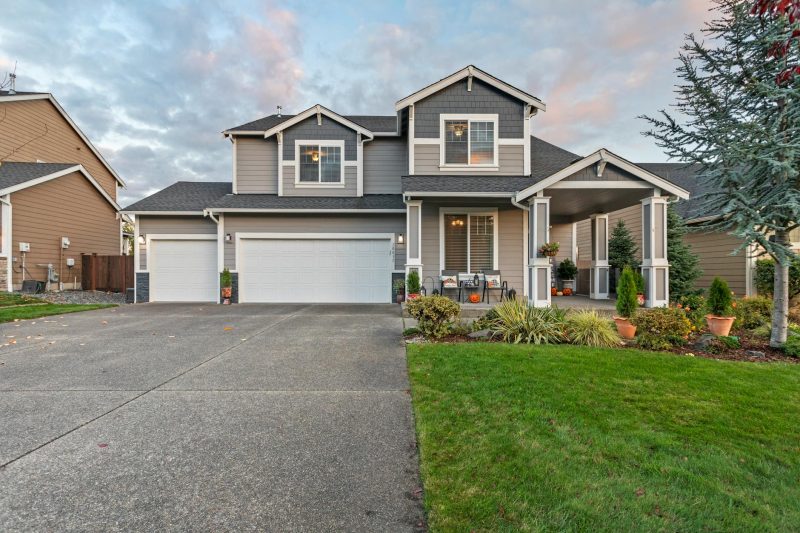
Buying your first home in the Twin Cities can be both exciting and a bit overwhelming, especially when figuring out how to get approved for a mortgage. **An FHA loan is a government-backed mortgage that’s designed to help first-time and low-to-moderate-income buyers qualify with more flexible credit and down payment requirements.** In this article, you’ll discover how FHA loans work, what you need to qualify in Minneapolis–Saint Paul, and tips on making your homeownership dream a reality.
Key Takeaways
- Purpose: FHA loans make homeownership more accessible with lower down payments and flexible credit requirements.
- Eligibility: Applicants generally need a steady income, a qualifying credit score, and to use the home as a primary residence.
- Down Payment: Minimum down payment is typically 3.5% for most buyers, but criteria can change—always check current guidelines.
- Best For: Ideal for first-time buyers, those with past credit challenges, or anyone who needs a lower upfront cost to buy a home.
Quick Answers: FHA Loans in the Twin Cities
- Can I buy with low credit? Yes, FHA loans allow for lower minimum credit scores than most conventional loans.
- How much do I need for a down payment? Most buyers can qualify with as little as 3.5% down, though a higher down payment may be needed for lower credit scores.
- What types of homes qualify? Single family homes, townhomes, and some condos are eligible if they meet FHA property standards.
- Do FHA loans require mortgage insurance? Yes, both upfront and annual mortgage insurance premiums (MIP) are part of every FHA loan.
What Is an FHA Loan?
An FHA loan is a home mortgage that’s insured by the Federal Housing Administration. This insurance helps lenders offer loans to more borrowers by reducing their risk, especially for those who may not qualify for a conventional loan. With FHA, first-time buyers in the Twin Cities and beyond often benefit from lower down payment requirements and more flexible qualifying criteria.
How FHA Loans Help First-Time Buyers in Minneapolis–Saint Paul
The team at American Dream Home Team (NMLS# 175656) specializes in helping first-time home buyers in the Twin Cities metro—including Minneapolis, Saint Paul, Eagan, and surrounding communities—take advantage of FHA-backed programs.
- Lower down payments: Often just 3.5% of the purchase price, making it easier to buy sooner.
- Credit flexibility: FHA may accept lower scores, especially helpful for buyers with limited credit history or past setbacks.
- Competitively priced rates: FHA rates are often comparable to, if not slightly lower than, conventional loans for similarly qualified buyers.
- Gift money allowed: All (or part) of your down payment and closing costs can come from eligible gifts—perfect if family wants to help.
Eligibility Requirements for FHA Loans
While FHA loans are more forgiving, qualifying still means meeting several standards. Here’s what most buyers can expect:
| Requirement | General FHA Guideline |
|---|---|
| Credit Score | Minimum usually 580 for 3.5% down; higher down payment if lower score |
| Down Payment | 3.5% minimum (can be gifted) |
| Income & Employment | Stable income and employment history required |
| Property Type | Owner-occupied homes: Single family, some condos, townhomes, 2-4 unit properties |
| Mortgage Insurance | Upfront and annual MIP required |
Keep in mind, guidelines often change and actual qualification can vary depending on your unique finances, the property, and current FHA policies.
How the FHA Loan Process Works in the Twin Cities
- Consultation & Pre-Approval: Start with a review of your finances and a pre-approval to understand your budget and strengthen your offers.
- Home Search: Work with your agent to find properties that meet FHA standards (condition, comparable market value, and use as your primary residence).
- Offer & Contract: Submit a strong offer with your pre-approval letter from a local expert who knows Twin Cities market norms.
- Appraisal & Underwriting: FHA requires the property to pass an appraisal for value and safety; underwriting checks your financial details.
- Approval & Closing: Once approved, you’ll sign final documents and get the keys to your new home!
In Minneapolis, Saint Paul, Eagan, Woodbury, and surrounding areas, the whole process—from pre-approval through closing—typically takes about 30 to 45 days, subject to property and document review.
Benefits and Key Considerations of FHA Loans
Key Benefits
- Accessible even if your credit is less than perfect
- Lower down payment hurdles, making it possible to buy sooner
- Lenient gift funds and down payment assistance options
- Can be used for single family, some condo/townhome, or small multi-unit properties (when you occupy one unit)
Important Considerations
- Mortgage insurance is required for the life of most FHA loans (unless refinanced to conventional later)
- Loan limits may apply—check current limits for your Minnesota or Wisconsin county
- The property must meet certain FHA safety and condition standards, which can impact older homes or unique properties
- FHA loans are for primary residences only—not for purely investment properties
FHA vs. Conventional Loans: At a Glance
| Feature | FHA Loan | Conventional Loan |
|---|---|---|
| Down Payment | 3.5% minimum | 3%–5% minimum (first-timers) |
| Credit Score Flexibility | More forgiving of lower scores | Higher scores usually required |
| Private Mortgage Insurance | Always required (MIP) | Required if <20% down (PMI) |
| Use of Gift Funds | Allowed for entire down payment | Restrictions may apply depending on program |
| Occupancy Requirement | Primary residence only | Primary, second, or investment |
Local FHA Loan Tips for Twin Cities Buyers
- Work with a mortgage team that knows local regulations, city-specific requirements, and neighborhood dynamics—especially in places like Hennepin, Dakota, Ramsey, and Washington counties.
- Start the pre-approval process early, especially in the busy spring and summer buying seasons.
- Ask your lender about down payment assistance or grant programs—there are special options for Minnesota first-time buyers!
- If you’re not sure if you’ll qualify, get a second opinion; guidelines are often more flexible than many buyers realize.
Ready to Start? Here’s Your Next Step
Whether you’re just getting started or want to compare FHA to other loan options, we’re here to help. Call, text, or email us for a free review of your scenario—we can walk you through pre-approval, answer your Twin Cities home buying questions, and help you explore what’s possible with an FHA loan.
Frequently Asked Questions
What credit score do I need for an FHA loan?
Most buyers can qualify for an FHA loan with a minimum credit score of 580 for a 3.5% down payment, though some lenders may accept lower scores with a higher down payment. Always check with your lender for the current requirements as they may vary.
Can FHA loans be used for condos or townhomes?
Yes, certain condos and townhomes are eligible for FHA financing if they are on the FHA approved list and meet property standards. Always verify property eligibility before making an offer.
Are there income limits for FHA loans?
There are no specific income limits for FHA loans, but the loan amount you can qualify for depends on your debt-to-income ratio and current FHA loan limits for your area.
What is FHA mortgage insurance and how much does it cost?
FHA mortgage insurance includes both an upfront and annual premium, calculated as a percentage of your loan amount. The cost varies based on your loan size and down payment—ask your lender for details specific to your situation.
Can I use gift money for all of my down payment and closing costs?
Yes, FHA allows all or part of your down payment and closing costs to come from eligible gifts, such as from family or certain government programs. Always document the source clearly for underwriting.
This is educational and not financial advice. Loan programs and guidelines can change. Talk with a licensed mortgage professional about your specific scenario.

About the Author
Karli Spahr
Chief of Dream Fulfillment at American Dream Home Team · NMLS #253291
I’ve been doing mortgages for over 25 years and am passionate about helping others obtain The American Dream of homeownership. I have a Bachelor’s degree in Business and Economics and a Master’s Degree in Project Management.
Specializes in: FHA, VA, first-time buyer programs
Licensed in: FL, MN, WI
Related Posts