Buying your first home in Minneapolis or St. Paul is exciting, but the process—and all…
First-Time Buyer Programs: Step-by-Step Guide for Twin Cities Homebuyers
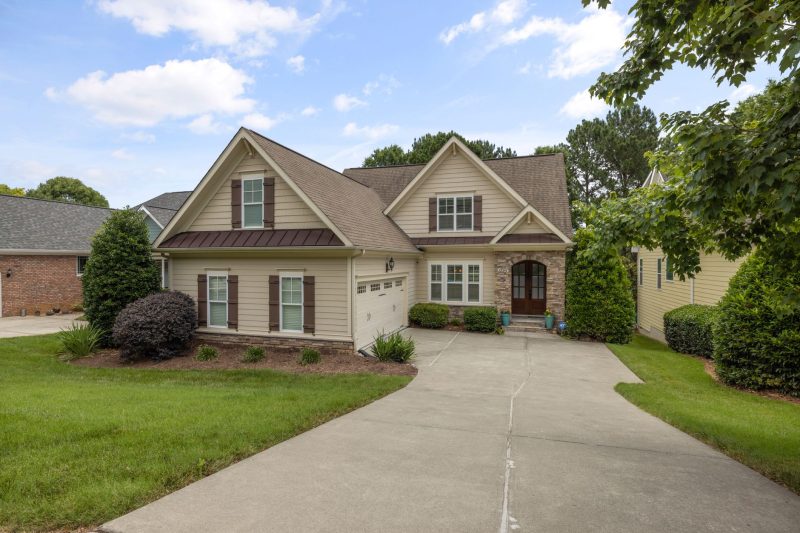
Buying your first home in the Twin Cities can feel confusing, especially with so many program choices and requirements. First-time buyer programs offer unique benefits like lower down payments, flexible credit guidelines, and potential assistance with closing costs for those purchasing their first home. In this step-by-step guide, we’ll walk you through the essential programs, what you need to qualify, and how to confidently take your first steps toward homeownership in Minneapolis, Saint Paul, Eagan, and the surrounding areas.
Key Takeaways
- Purpose: First-time buyer programs help make homeownership more accessible by reducing upfront costs and easing qualification barriers.
- Eligibility: You’re typically eligible if you haven’t owned a home in the past 3 years, but requirements vary by program.
- Benefits: Options may include low down payments, assistance funds, reduced mortgage insurance, and flexible qualifying guidelines.
- Best For: Perfect for buyers in the Twin Cities who need extra support to purchase their first home or who may not have a large down payment.
Quick Answers: First-Time Buyer Programs in the Twin Cities
- Can I qualify for more than one program? Yes, sometimes buyers can layer assistance from different programs depending on eligibility and property guidelines.
- Do I have to be a “true first-time buyer”? Not always—many programs consider you a first-time buyer if you haven’t owned a home in the last 3 years.
- Are there income limits? Most programs do have income limits, which can change based on household size and county.
- Can I use these programs for condos or townhomes? Yes, as long as the property meets program guidelines, condos and townhomes are often eligible.
- Do I have to pay the assistance back? Some assistance is a grant (no repayment), while others are deferred or forgivable loans—each program has specific terms.
What Are First-Time Buyer Programs?
First-time buyer programs are specialized mortgage options and assistance tools designed to help people purchase their first home by making qualification and down payments more attainable. These may include loans backed by federal agencies (like FHA, VA, or USDA), state and local government funds, and private resources from lenders. The team at American Dream Home Team (NMLS# 175656) specializes in guiding buyers in the Twin Cities—serving areas like Minneapolis, Saint Paul, Eagan, Woodbury, Stillwater, and surroundings—through every step of these programs.
Types of First-Time Buyer Programs Available
FHA Loans
FHA loans are among the most popular choices for first-time homebuyers across Minnesota and Wisconsin. They allow for low down payments (typically 3.5%), flexible credit score requirements, and permit family member or gift funds. FHA loans also allow the seller to contribute to your closing costs, which can help with upfront expenses.
VA Loans
VA loans are an excellent option for qualified veterans, active-duty service members, and some surviving spouses. The VA program features no down payment, no monthly mortgage insurance, and competitive rates—making homeownership more accessible for those who have served. Eligibility is determined by your service history and discharge status.
Conventional Loans With First-Time Buyer Perks
Many buyers don’t realize there are conventional loans designed specifically for first-timers. Some allow down payments as low as 3% and reduced mortgage insurance costs. These programs often require at least one borrower to be a first-time homebuyer and may include homebuyer education requirements.
Down Payment and Closing Cost Assistance Programs
Minnesota Housing, Dakota County CDA, and Ramsey County HRA all offer down payment and closing cost assistance for eligible buyers in the Twin Cities metro. These programs can bridge the gap for buyers who have steady income but limited savings. Assistance may come as grants or deferred loans, and program availability and requirements often vary by location and property type.
Local Options for Twin Cities Buyers
- Minnesota Housing Start Up and Step Up Programs: Offer affordable loan options, down payment assistance, and homebuyer education tailored for buyers in Minnesota, including Hennepin, Ramsey, Washington, and Anoka Counties.
- Dakota County First-Time Homebuyer Program: Provides local down payment and closing cost help for eligible buyers purchasing in Dakota County.
- Community Lending Initiatives: Check for community-specific programs in cities like Bloomington, Maple Grove, or St. Paul, as many cities partner with lenders to offer unique assistance.
Step-by-Step: How to Use First-Time Buyer Programs
-
Determine Your Eligibility
Most programs define a first-time buyer as someone who hasn’t owned a principal residence in the last three years. Review credit, income, and property guidelines, as program requirements can vary by county and funding source. -
Review Available Programs by Location
Review state-level offerings (like Minnesota Housing), local county programs (Dakota, Hennepin, Ramsey, etc.), and any employer-based assistance. -
Gather Documentation
You’ll need to document income, assets, employment, and possibly complete approved homebuyer education. -
Get Pre-Approved With a Knowledgeable Lender
Lenders familiar with Twin Cities and suburban programs can structure your pre-approval to layer assistance and ensure your loan meets all funding requirements. -
Shop for Homes Within Your Budget
Look at eligible properties, including single family homes, condos, or townhomes, and keep program property requirements in mind. -
Structure Your Offer With Seller Credits if Possible
Some sellers may offer to help with closing costs, which can be combined with your program assistance (within guidelines). -
Complete Homebuyer Education (If Needed)
Many programs require an approved education course—these are easy to fit into your schedule and provide valuable insights into homeownership. -
Close on Your New Home!
Your lender and agent will guide you through the last steps, including the use of any assistance.
Comparison Table: FHA vs VA vs Conventional (First-Time Buyer Programs)
| Program | Minimum Down Payment | Mortgage Insurance | Property Types Allowed | Eligibility |
|---|---|---|---|---|
| FHA | 3.5% | Required (premium varies) | Single family, condo, townhome | No property ownership in last 3 years (if using first-time buyer perks) |
| VA | 0% (for eligible borrowers) | No monthly MI | Single family, condo, townhome | Veteran/active duty/some spouses |
| Conventional (First-Time Buyer) | 3% | Required below 20% down (can be reduced for first-timers) | Single family, condo, townhome | At least one borrower is a first-time buyer |
Down Payment Assistance: What to Know
Down payment assistance can be a game-changer for Twin Cities buyers who qualify. Here’s what to keep in mind:
- Type of Assistance: Most programs offer either grants (no repayment) or deferred/forgivable loans (repaid if you sell or refinance, or forgiven after a set time).
- Income and Purchase Price Limits: There are typically income and purchase price limits, which change based on household size and property location.
- Additional Education: Homebuyer education is almost always required, setting you up for long-term success.
Assistance can range from a few thousand dollars to a percentage of your home’s purchase price. Always check current limits for your area and program.
Special Considerations for VA, FHA, and Creative Financing
- VA Loans: Offer powerful zero-down options, but you must meet service eligibility. No mortgage insurance, which helps your monthly payment.
- FHA Loans: Open to a broader range of buyers, and qualifying is often more flexible than with conventional loans.
- Creative Financing: Options like gifts, co-borrowers, or community land trusts can sometimes be combined with first-time buyer programs—ask your lender for details.
Tips for Success: Navigating First-Time Buyer Programs
- Start by getting a pre-approval so you know your real numbers early on.
- Compare program guidelines across multiple options—your eligibility and benefit amount may differ.
- Ask about homebuyer education—many courses are low-cost, online, and provide helpful tools for your journey.
- Work with a local Twin Cities expert who understands the ins and outs of each program in your county and community.
Ready to Start Your Homeownership Journey?
Whether you’re shopping in the heart of Minneapolis, the suburbs of Eagan or Woodbury, or across the river in Wisconsin, our team specializes in first-time buyer programs and creative solutions for all types of buyers. Call, text, or email us to review your scenario, compare available options in your area, and understand your next steps—including pre-approval planning. We’re here to help you unlock the resources you need for a smooth and confident first home purchase.
Frequently Asked Questions
What is considered a first-time homebuyer?
A first-time homebuyer is typically someone who has not owned and occupied a primary residence in the past three years. Some programs may have additional or slightly different definitions, so always check the specific guidelines for the program you’re interested in.
Are first-time buyer programs only for single family homes?
No, many first-time buyer programs allow for condos, townhomes, and sometimes multi-unit properties if you plan to live in one unit. Each program has its own property eligibility requirements.
What credit score do I need for first-time buyer loans?
Credit score requirements depend on the loan program. FHA loans are known for more flexible minimums, while conventional and some assistance programs may have higher requirements. Current guidelines can change, so talk to your lender for the most up-to-date information.
Can I combine down payment assistance with other loan types?
Yes, many down payment assistance programs can be combined with FHA, VA, or conventional loans. The key is to work with a lender who understands how to layer programs according to your eligibility and local guidelines.
Do grants and assistance have to be paid back?
It depends. Some assistance comes as grants that do not need to be repaid, while others are deferred or forgivable loans with specific repayment or forgiveness terms. Always review the rules for each program and discuss with your lender.
This is educational and not financial advice. Loan programs and guidelines can change. Talk with a licensed mortgage professional about your specific scenario.

About the Author
Karli Spahr
Chief of Dream Fulfillment at American Dream Home Team · NMLS #253291
I’ve been doing mortgages for over 25 years and am passionate about helping others obtain The American Dream of homeownership. I have a Bachelor’s degree in Business and Economics and a Master’s Degree in Project Management.
Specializes in: FHA, VA, first-time buyer programs
Licensed in: FL, MN, WI
Related Posts