Fix up your fixer upper home with a Rehab Loan.
You may be able to purchase a home and roll the costs of the renovation into your loan.
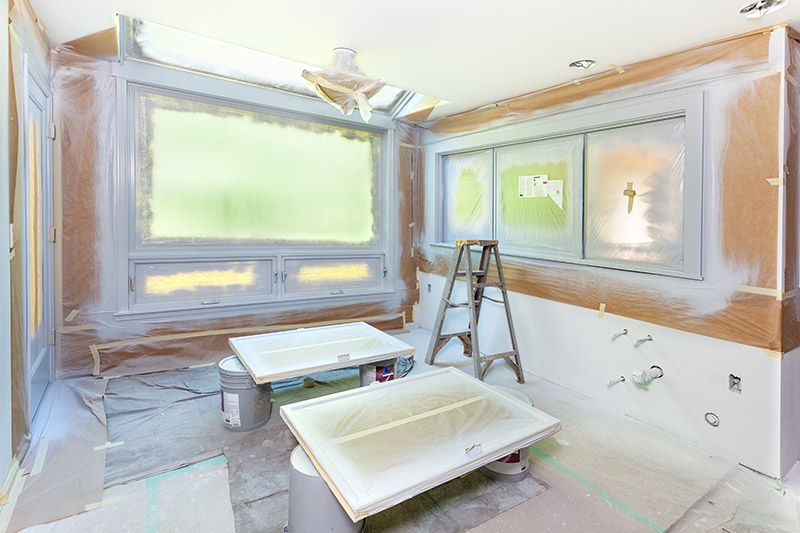
A rehab loan is a special type of mortgage that lets you buy a home in need of repairs and finance both the purchase and renovations with one convenient loan. For buyers in Twin Cities, MN, American Dream Home Team (NMLS #175656) provides expert guidance on rehab loans, helping you turn a fixer-upper into your dream home—whether you’re a first-time buyer, veteran, or looking to move up. Our team’s unique background as a licensed general contractor, community volunteers, and active members of local organizations means we understand both the mortgage process and the realities of renovating in the Twin Cities.
Key Takeaways
- Combines Purchase and Renovation: A rehab loan in Twin Cities, MN lets you buy a home and finance repairs or upgrades with one mortgage.
- Flexible for Many Buyers: Rehab loans can work for first-time buyers, veterans, and move-up homeowners who want to customize their space.
- Based on Future Value: Your maximum loan is determined by the home’s projected value after renovations, not just its current condition.
- Wide Range of Repairs Covered: From kitchens and bathrooms to major structural fixes, rehab mortgages can fund many types of projects.
- Local Knowledge Matters: Navigating Twin Cities permits, contractor bids, and neighborhood rules is easier with a lender who’s active in the community.
- Down Payment Assistance Possible: Many buyers can combine local assistance programs with a rehab loan for more affordable entry.
- More Steps Than Standard Loans: Expect extra paperwork, contractor vetting, and inspections compared to a traditional mortgage.
Rehab Loan Options for Twin Cities, MN: Quick Answers
- What is a rehab loan? It’s a mortgage that lets you purchase a home and finance the cost of needed renovations or repairs in a single loan.
- Who can qualify for a rehab loan in Twin Cities, MN? Most buyers—including first-time and repeat buyers, as well as veterans—can qualify if they meet credit, income, and property requirements.
- What types of repairs are eligible? Eligible repairs can range from cosmetic updates like flooring and paint to major projects such as roof replacement or foundation work, depending on the rehab program.
- How is the loan amount determined? The loan amount is based on the expected appraised value of the home after all planned renovations are complete.
- How long does a rehab loan take to close? With good preparation, most rehab loans in the Twin Cities close in about 30-45 days, though complex projects may take longer.
- Can I use down payment assistance with a rehab loan? Yes, many local and state programs can be layered with rehab mortgages—ask us about current options for 2026.
How the Rehab Loan Process Works in Twin Cities, MN
- Initial Consultation: We sit down with you to discuss your goals, budget, and the type of home and renovations you’re considering. This helps us recommend the best rehab loan program for your needs and outline the process ahead.
- Pre-Qualification: We review your credit, income, and assets to determine how much you can borrow—including funds for both the home purchase and planned renovations. This step gives you a clear price range for your home search.
- Finding the Right Property: You look for homes in the Twin Cities that need repairs or updates. We help you structure your offer to allow time for contractor bids, inspections, and any required city reviews.
- Contractor Bids and Project Scope: You work with licensed contractors to get detailed written bids for the planned renovations. As a licensed residential general contractor, we can help you review these bids for accuracy and compliance with loan guidelines.
- Appraisal and Underwriting: An appraiser evaluates the home’s projected value after renovations. We submit all documentation—including contractor bids and project plans—to underwriting for loan approval.
- Closing and Escrow: At closing, you purchase the home and the renovation funds are placed in an escrow account. Contractors are paid in draws as work is completed and inspected.
- Renovation and Final Inspection: As the renovation progresses, funds are released in stages. Once all work is finished and passes inspection, the escrow is closed and you enjoy your upgraded home.
Is a Rehab Loan Right for You?
Rehab loans are ideal for buyers who want to customize a home or see opportunity in properties that need work. If you’re comfortable managing a renovation, have a vision for your future space, or are struggling to find move-in-ready homes in your budget, a rehab mortgage could be a great fit. In our experience, first-time buyers, veterans, and move-up homeowners use rehab loans to access neighborhoods or home styles that might otherwise be out of reach. Many buyers also appreciate the chance to build equity quickly by improving their home’s value.
However, rehab loans aren’t the best choice for everyone. If you need to move in right away, have little tolerance for construction timelines or unexpected costs, or feel overwhelmed by the idea of managing contractors and paperwork, you may want to consider alternatives. For some, a move-in-ready home with a fixed rate mortgage or a low down payment option may be less stressful. We’re always happy to walk you through all your choices and help you decide what fits your goals and comfort level.
Rehab Loan Costs, Fees, and What to Expect
Understanding the costs and fees of a rehab loan helps you plan for a smooth process. With a rehab mortgage, your down payment is typically based on the total of the purchase price plus renovation costs—often as low as 3.5% for FHA-based programs, but this can vary. Closing costs are generally higher than a standard loan because of extra inspections, title updates, and escrow management for renovation funds. Interest rates for rehab loans are usually slightly higher than for move-in-ready homes, reflecting the added complexity and risk. Most projects in the Twin Cities close in 30-45 days, but timelines can stretch if contractor bids or permits take longer. Your monthly payment will be based on the total loan amount, which includes both the home and the approved repairs.
| Feature | Rehab Loan | Standard Mortgage |
|---|---|---|
| Down Payment | As low as 3.5% (program-specific) | As low as 3% (conventional) or 3.5% (FHA) |
| Closing Costs | Higher due to extra inspections, escrow, and title updates | Lower, standard fees |
| Interest Rate | Slightly higher than standard loans | Lowest available for move-in-ready homes |
| Timeline to Close | 30-45 days (varies by project) | 15-30 days (typical) |
| Renovation Funds Included | Yes, rolled into one loan | No, separate financing needed |
If you’re considering a major remodel or even building new, you might also want to learn about our construction home loan options. For those looking to renovate and resell, our fix & flip loan might be a better fit. First-time buyers should also explore our first-time home buyer programs to see if you qualify for additional assistance.
Common Mistakes to Avoid with Rehab Loans in Twin Cities, MN
- Underestimating Renovation Costs: Many buyers overlook hidden issues or rising material prices. Always build a buffer into your budget for surprises.
- Choosing Inexperienced Contractors: Not all contractors are familiar with rehab loan requirements or local codes. Vet your team carefully and prioritize those with Twin Cities experience.
- Missing Documentation Deadlines: Rehab loans require detailed bids, permits, and progress reports. Delays in paperwork can stall your closing or renovation.
- Ignoring Local Building Codes: Each Twin Cities municipality has its own rules. Failing to comply can lead to failed inspections or project delays.
- Skipping a Full Inspection: Even if you plan to renovate, a thorough inspection can reveal issues that could derail your budget or timeline.
- Overimproving Beyond Neighborhood Values: Adding luxury upgrades that don’t fit the local market may not pay off when you sell. We help you balance improvements with resale value in mind.
Local Considerations for Rehab Loans in Twin Cities, MN
The Twin Cities market offers both great opportunities and unique challenges for rehab loan borrowers. Many homes in Minneapolis and St. Paul have solid structures but need updates to meet modern standards. Local permitting processes, historic district rules, and neighborhood associations can affect renovation timelines and costs. In our experience, buyers who partner with contractors and lenders familiar with Twin Cities requirements have the smoothest projects. It’s also common here to combine rehab loans with Minnesota-specific down payment assistance, making homeownership more accessible even when repairs are needed. Our involvement in community events and local organizations gives us insight into neighborhood trends and city processes that can help your project succeed.
Ready to Explore Your Rehab Loan Options?
We know that taking on a fixer-upper in Twin Cities, MN can feel overwhelming, but you don’t have to navigate it alone. At American Dream Home Team (NMLS #175656), we’re here to answer your questions, guide you through every step, and connect you with the right contractors and community resources. Whether you’re just starting your home search or already have a property in mind, let’s talk about what’s possible for your next home. Get started with American Dream Home Team (NMLS #175656) today by reaching out at this link—we’d love to help you explore your options.
This is educational content and not financial advice. Loan programs and guidelines can change. Talk with a licensed mortgage professional about your specific scenario.
Surf our website to learn about our company, see our loan programs, and request a free consultation.
Get started today!
Fill out the questionnaire on this page to start a discussion about your mortgage needs today!
Frequently Asked Questions
What is a Rehab Loan?
A rehab loan, also known as an FHA 203(k) or renovation loan, allows homebuyers or homeowners to finance both the purchase (or refinance) of a property and the cost of repairs or renovations into a single mortgage.
Who might benefit from a rehab loan?
Rehab loans may be ideal for buyers interested in purchasing fixer-uppers or homeowners looking to update or improve their existing property without taking out separate financing for the renovations.
What types of repairs can be included in a rehab loan?
Depending on the loan type, eligible repairs can include anything from minor updates like flooring, paint, and appliances to major projects such as roofing, structural repairs, room additions, or energy-efficient upgrades.
What are the main types of rehab loans?
The FHA 203(k) program has two main options: the Limited 203(k), which covers smaller repairs typically under $35,000, and the Standard 203(k), which is used for larger renovation projects that may involve structural work.
Can a rehab loan be used for investment properties?
Most FHA 203(k) rehab loans are intended for owner-occupied properties, not investment or rental homes. However, other renovation loan programs may be available for investors through conventional financing options.
