
Fix & Flip Home Loans in Twin Cities, MN
Get the financial backing you need to turn a property with potential into a real gem. Discover our Fix & Flip home loans today.
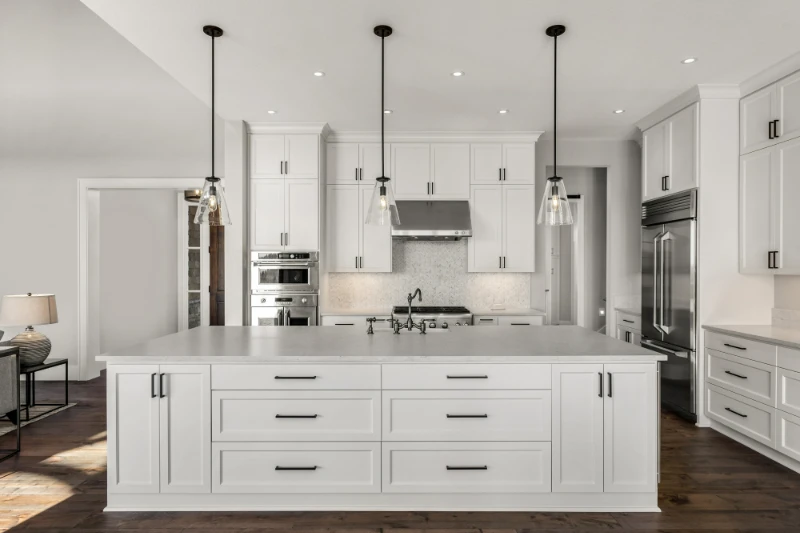
A Fix & Flip Home Loan for a property in Twin Cities, MN is short-term financing used to purchase, renovate, and resell a home. At American Dream Home Team, we help borrowers evaluate project costs, renovation funding, and realistic exit strategies, drawing on our perspective as a licensed residential general contractor.
Key Takeaways
- Short-Term Financing: Fix & Flip Home loans typically have shorter repayment periods than traditional mortgages and require a clear plan for selling or refinancing.
- Property-Based Review: Lenders commonly evaluate the purchase price, renovation scope, borrower experience, and projected after-repair value.
- Renovation Draws: Construction funds are often released in stages after completed work has been inspected.
- Meaningful Cash Needed: Borrowers should plan for a down payment, closing costs, carrying expenses, contractor deposits, and unexpected repairs.
- Higher Financing Costs: Rates and fees are generally higher than owner-occupied mortgage costs because fix-and-flip projects involve additional risk.
- Exit Strategy Required: A credible sale or refinance plan matters because the remaining balance may become due at the end of the short loan term.
Common Questions About Fix & Flip Home Loans
Fix & Flip Home loans finance time-sensitive investment projects rather than long-term owner-occupied home purchases.
- What can a fix-and-flip loan pay for? Depending on the program, it may finance part of the acquisition price and approved renovation expenses, including labor, materials, and certain property improvements.
- Is renovation money available at closing? Purchase funds are generally disbursed at closing, while the renovation budget is commonly placed in a controlled account and released through draws as work is completed.
- Do I need previous flipping experience? Some programs accept first-time investors, although experienced borrowers may have access to different leverage, reserve, or pricing structures. A detailed scope of work and qualified contractor can strengthen the overall file.
- Can I live in the property during the renovation? Fix-and-flip financing is generally designed for non-owner-occupied investment property. If you plan to make the house your primary residence, an owner-occupied rehab loan may be worth comparing.
- Can I keep the home as a rental instead of selling it? Possibly, but you would usually need to replace the short-term debt with permanent financing. A DSCR Home Loan may be considered when expected rental income supports the property’s payment.
- How long does the process take? Timing varies with the appraisal, title work, entity documents, contractor review, and completeness of the renovation budget. We recommend building flexibility into the purchase contract rather than assuming a specific closing date.
How Fix & Flip Home Loans Work
A successful fix-and-flip loan starts with the numbers, not the finishes. We look at the complete project before financing is selected so you can understand the cash requirement, draw process, and repayment plan.
- Define Your Investment Plan: Decide whether you intend to renovate and sell or potentially retain the property as a rental. Estimate your target purchase price, available cash, desired project length, and acceptable margin for unexpected costs.
- Review Your Financial Profile: The lender evaluates factors such as credit, liquidity, reserves, real estate experience, and business structure. If you are buying through an LLC, formation documents and operating agreements may also be requested.
- Analyze the Property: Your offer should be supported by comparable sales and a realistic repair estimate. The lender may consider the property’s current value, purchase price, renovation budget, and projected after-repair value, commonly called ARV.
- Prepare the Scope of Work: Create a line-item budget covering demolition, mechanical systems, labor, materials, permits, and finishing work. In our experience, bids that separate plumbing, electrical, roofing, and cosmetic improvements are easier to evaluate than a one-page total.
- Complete Valuation and Underwriting: An appraisal or property evaluation helps assess current condition and expected value after the proposed work. Underwriting then reviews the project, title, insurance, contractor information, and your ability to cover required funds.
- Close and Request Draws: At closing, acquisition funds are applied to the purchase and the approved renovation allocation is typically held back. As milestones are completed, you submit invoices and draw requests, and an inspection may be required before funds are released.
- Sell or Refinance the Property: After construction, you list the renovated home or pursue qualifying long-term financing. Sale proceeds or refinance funds repay the outstanding principal, interest, and applicable fees before the loan’s maturity date.
When Fix & Flip Financing May Make Sense
This financing may be a good fit for borrowers who can manage a renovation, maintain adequate reserves, and make decisions based on conservative property values. That may include a first-time investor with an experienced contractor, a veteran pursuing a non-owner-occupied project, or a move-up buyer who wants to renovate an investment property separately from a primary residence. What we typically see is that organized borrowers track costs weekly, document change orders, and plan their sale price using recent comparable homes rather than hopeful appreciation.
Alternatives deserve consideration when you plan to occupy the property, need a long construction period, or have limited cash available beyond the down payment. Owner-occupants may compare an FHA Home Loan, VA financing when eligible, or our first-time home buyer programs. A major addition, teardown, or ground-up build may call for a Construction Home Loan instead; program eligibility, occupancy rules, and property standards still apply.
Fix & Flip Loan Costs, Fees, and Timing
Fix-and-flip financing generally costs more than a traditional owner-occupied mortgage because the loan is short term and depends on successful renovation and resale. Depending on the lender and project, down payments often fall around 15% to 25% or more, but the calculation may be based on purchase price, total cost, current value, or projected value. Rates, points, leverage limits, and extension fees vary by borrower and property.
Budget for appraisal or valuation charges, lender fees, title and settlement expenses, insurance, inspections, permits, interest, utilities, property taxes, and real estate selling costs. Renovation draws may reimburse completed work, so you could need enough liquidity to pay a contractor deposit or material invoice before receiving a draw.
For example, on a $350,000 purchase with an $80,000 renovation budget and 20% down on the purchase price, the initial down payment would be $70,000. Your actual cash requirement would typically be higher after closing costs, prepaid interest, reserves, and any renovation expenses that must be advanced before reimbursement.
| Feature | Fix & Flip Home Loan | Owner-Occupied Rehab Financing |
|---|---|---|
| Primary Use | Renovate and resell an investment property | Purchase and improve a primary residence |
| Occupancy | Generally non-owner-occupied | Owner occupancy required |
| Cash Contribution | Often 15%–25% or more, depending on the project | May offer lower-down-payment structures |
| Payment Structure | Often interest-only during the short term | Usually structured for long-term repayment |
| Renovation Funds | Commonly released through inspected draws | Commonly released through program-controlled draws |
| Exit Plan | Sale or qualifying refinance | Continued owner occupancy |
As of 2026, program pricing and guidelines can differ significantly among lenders. A straightforward file may move faster than conventional renovation financing, but appraisal revisions, title issues, incomplete bids, or insurance concerns can extend the timeline.
Fix & Flip Loan Mistakes to Avoid
Most project problems begin with an optimistic budget, an incomplete plan, or insufficient cash rather than the loan itself.
- Using Retail Listings as ARV Evidence: Active listings show seller expectations, not completed transactions. Base projected value primarily on recent closed sales with similar location, size, condition, and property type.
- Forgetting Older-Home Systems: Cosmetic budgets can unravel when an inspection identifies a failing sewer line, outdated electrical service, foundation movement, or an uninsurable roof. Include a meaningful contingency instead of allocating every dollar to visible finishes.
- Misunderstanding Draw Reimbursement: Suppose your cabinet supplier requires a $12,000 deposit, but the lender releases funds only after installation and inspection. Without sufficient liquidity or negotiated payment terms, work could stop even though the expense appears in the approved budget.
- Changing the Scope Without Approval: Moving funds from structural repairs to upgraded finishes can create draw issues if the lender approved a specific scope. Document material substitutions and change orders before committing money.
- Ignoring Holding and Selling Costs: Interest, taxes, utilities, snow removal, insurance, staging, agent compensation, and buyer concessions reduce the projected margin. Run a slower-sale scenario rather than assuming the home sells immediately.
- Waiting to Plan the Exit: Permanent financing is not automatic, especially if lease income, property seasoning, or appraisal requirements are involved. Review a backup exit strategy early and monitor the maturity date throughout construction.
Local Considerations for Twin Cities, MN
Local housing age, municipal rules, and winter construction conditions can materially affect a renovation budget. In Minneapolis neighborhoods such as Longfellow and Powderhorn, and St. Paul areas such as Frogtown and Dayton’s Bluff, investors frequently encounter older stucco homes, aging sewer lines, detached garages, knob-and-tube wiring, and foundations that require closer review. Minneapolis and St. Paul maintain separate permitting and inspection processes, while historic districts can add design requirements.
The region’s healthcare, education, government, and corporate employment base supports varied buyer demand, but renovated homes still need to match block-level comparable sales. In our experience, exterior work scheduled across a Minnesota freeze can increase carrying time, so roofing, concrete, grading, and painting timelines should include weather flexibility. Our general-contractor background helps us ask practical questions about scope, permits, and sequencing without replacing your licensed contractor or inspector.
Let’s Talk About Your Fix & Flip Project
We can help you compare the financing structure with the real-world demands of your renovation plan. Our involvement with SPAAR’s DEI Committee and the LGBTQ+ Real Estate Alliance reflects our commitment to welcoming, non-judgmental guidance for borrowers with different backgrounds and experience levels. Get started with American Dream Home Team (NMLS #175656) today by using our Get Started form to share your project goals, estimated budget, and intended exit strategy.
This is educational content and not financial advice. Loan programs and guidelines can change. Talk with a licensed mortgage professional about your specific scenario.
Surf our website to learn about our company, see our loan programs, and request a free consultation.
Get started today!
Fill out the questionnaire on this page to start a discussion about your mortgage needs today!